
Gardening and Shoulder Pain in Courtice: 10 Physiotherapy Tips to Stay Injury-Free
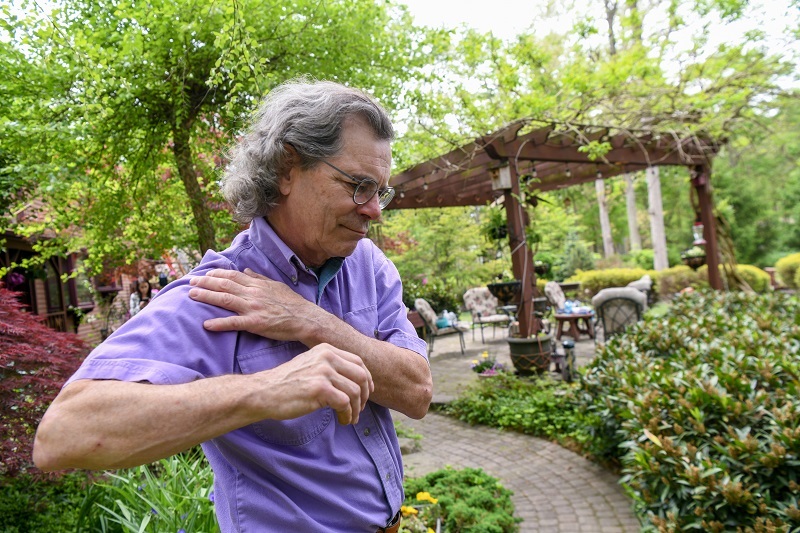
As spring arrives, many residents find that gardening and shoulder pain in Courtice go hand in hand after a long winter.. But the following days often tell a different story: a deep ache in the shoulder, pain when reaching overhead, difficulty lifting the arm, or a sharp catch when moving in certain directions.
Gardening is one of the most common triggers for shoulder pain we see at Active Recovery Sports Injury and Physiotherapy, Courtice, each spring — and it is almost entirely preventable with the right preparation, technique, and awareness of when something needs professional attention.
Why Gardening Is Hard on the Shoulders
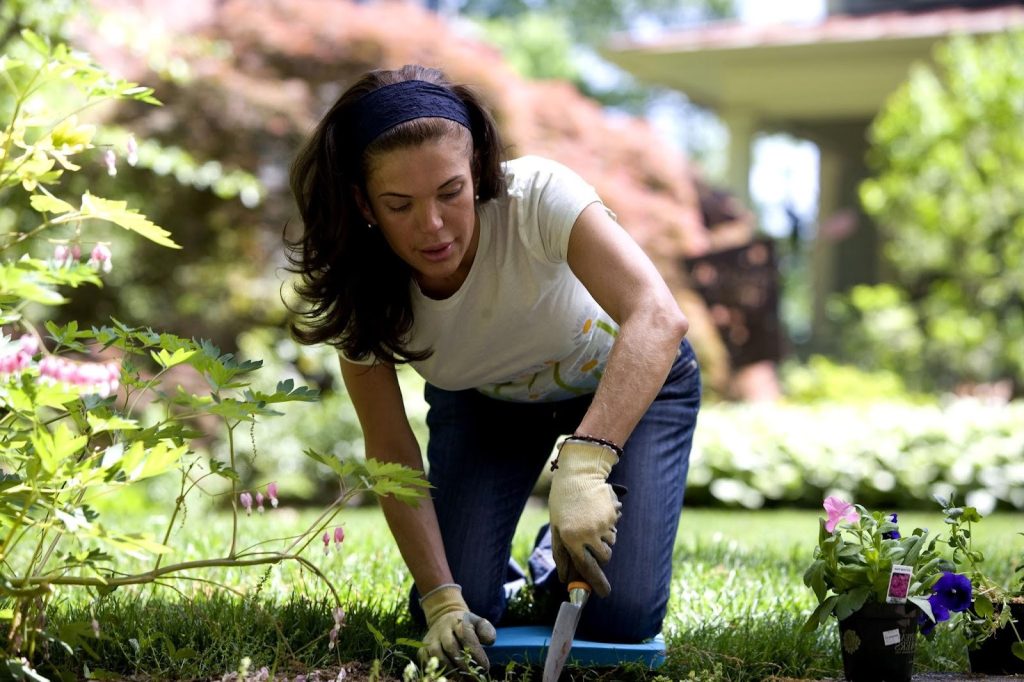
Gardening seems like a gentle activity, but it subjects the shoulder to a combination of demands that few people prepare for:
- Extended time in overhead position: Pruning, washing windows, reaching into raised beds, and hanging baskets all require sustained overhead arm position — the most mechanically demanding posture for the rotator cuff and shoulder impingement zone.
- Repetitive reaching and pulling: Raking, hoeing, and weeding involve hundreds of repetitions of the same reaching and pulling pattern. This builds cumulative load on the rotator cuff tendons, long head of biceps, and shoulder capsule far faster than most people realise.
- Sustained grip with forearm rotation: Gripping tools while pronating and supinating the forearm — twisting to dig, weed, or trowel — places a consistent rotational load on the shoulder that accumulates across hours of gardening.
- Pushing and lifting: Wheeling a loaded barrow, lifting bags of soil or mulch, and shifting pots involve heavy shoulder loading in positions where the joint is at a mechanical disadvantage.
- Cold muscle tissue early in season: After a winter of reduced activity, the rotator cuff muscles, shoulder capsule, and peri-scapular muscles are weaker, less flexible, and less conditioned than they were last autumn — making them far more vulnerable to the sudden demands of spring gardening.
The spring weekend effect: The most common pattern we see in the clinic is injury on the first or second warm weekend of the season — after months of inactivity, people spend 4 to 6 hours in the garden without preparation or rest breaks. The shoulder accumulates load faster than the deconditioned tissue can manage.
The Most Common Gardening Shoulder Pain in Courtice
Rotator Cuff Tendinopathy
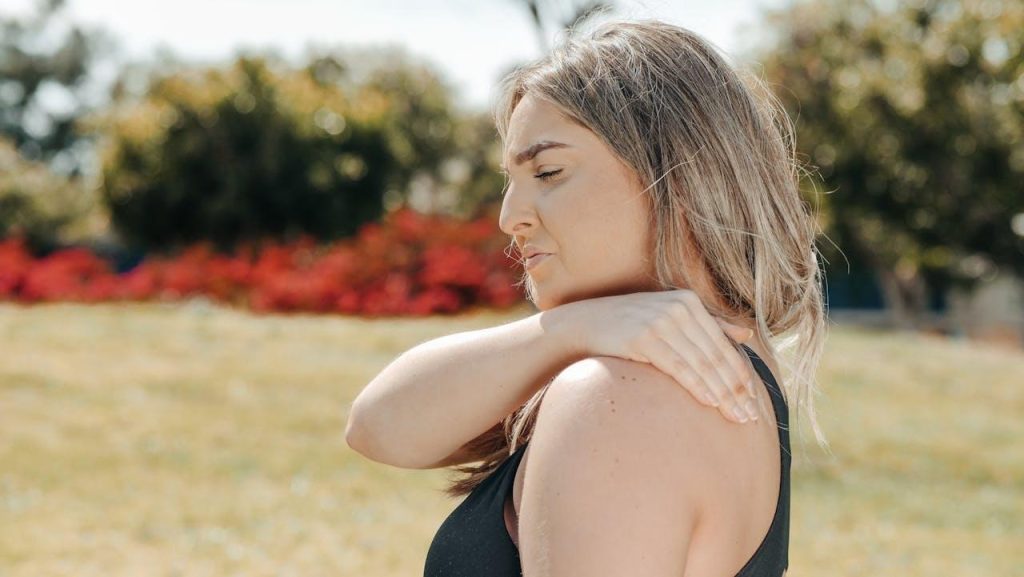
The rotator cuff is a group of four muscles (supraspinatus, infraspinatus, teres minor, subscapularis) that stabilise the ball of the shoulder within the socket and control its rotation. Their tendons are the most commonly strained structures in gardening-related shoulder injuries. Tendinopathy presents as a deep aching pain in the outer shoulder and upper arm, worse with overhead activity and lifting, and often worse at night.
Shoulder Impingement Syndrome
Impingement occurs when the soft tissues of the shoulder — particularly the supraspinatus tendon and the subacromial bursa — are compressed between the head of the humerus and the acromion (the bony arch of the shoulder blade) during elevation movements. Overhead gardening tasks repeatedly compress these structures, producing pain on arm elevation, a painful arc between approximately 60 and 120 degrees of lifting, and difficulty reaching behind the back.
Biceps Tendinopathy
The long head of the biceps tendon runs through the shoulder joint and is a frequent casualty of repetitive lifting, reaching, and pulling activities. Biceps tendinopathy presents as a deep ache at the front of the shoulder, often with tenderness directly over the bicipital groove, and pain on resisted shoulder flexion and forearm supination — the motion of turning a screwdriver or trowel.
Acromioclavicular (AC) Joint Sprain
The AC joint — where the clavicle meets the tip of the shoulder blade — is loaded with heavy lifting and carrying. Acute AC joint sprains from lifting heavy pots or bags of soil, and chronic AC joint degeneration from repetitive loading, both produce localized pain at the top of the shoulder that is tender to direct palpation.
Shoulder Bursitis
The subacromial bursa is a fluid-filled sac that cushions the rotator cuff tendons under the acromion. It is frequently irritated alongside impingement and tendinopathy, contributing to a broader, aching pain pattern and sometimes significant swelling and warmth in the shoulder region.
The Canadian Physiotherapy Association identifies physiotherapy as the most effective evidence-based treatment for rotator cuff tendinopathy and shoulder impingement — with targeted exercise and manual therapy producing superior outcomes to passive treatments and prolonged rest.
Physiotherapy Treatment for Gardening Shoulder Pain
Comprehensive Shoulder Assessment
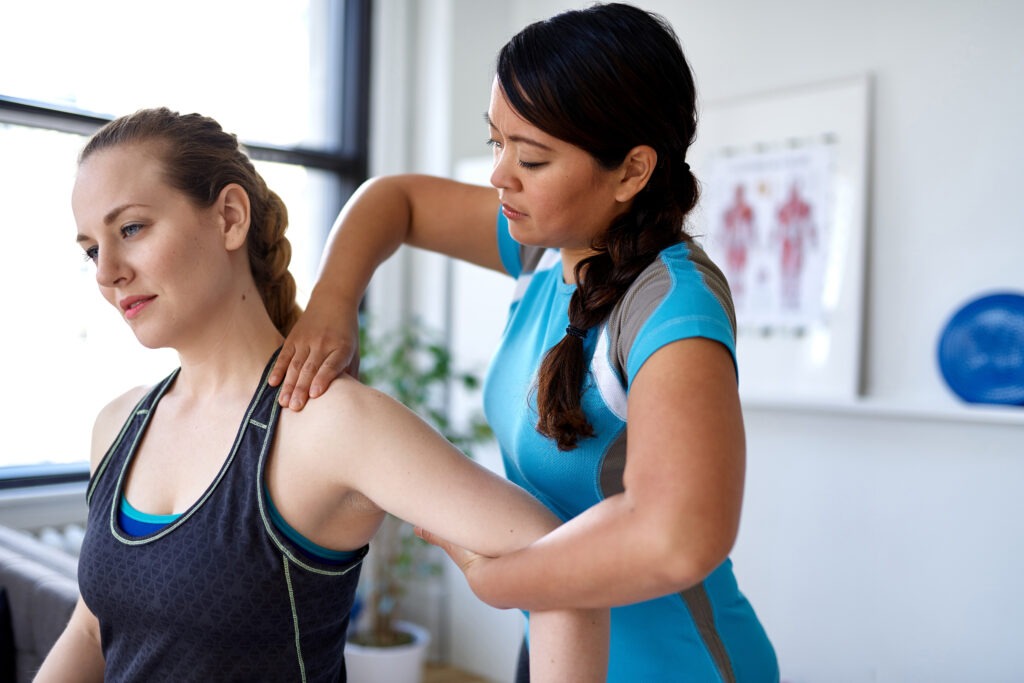
Treatment begins with an assessment that identifies exactly which structures are involved, the contributing mechanical factors (posture, muscle strength and balance, movement patterns), and the appropriate treatment approach. Not all shoulder pain is the same — effective treatment requires accurate diagnosis.
Manual Therapy
Hands-on techniques, including joint mobilisation of the glenohumeral joint and AC joint, soft tissue release of the rotator cuff, pec minor, and upper trapezius, and thoracic spine mobilisation to restore the thoracic extension needed for full overhead function, address the restrictions that produce and perpetuate shoulder pain.
Targeted Rotator Cuff Rehabilitation
Progressive loading of the rotator cuff tendons — starting with isometric exercises and advancing through isotonic and then functional loading — is the primary treatment for tendinopathy. Your physiotherapist prescribes an exercise program calibrated to your current tendon capacity and advancing at a rate that drives healing without re-aggravating symptoms.
Postural and Scapular Rehabilitation
The scapula (shoulder blade) must rotate, tilt, and protract precisely to allow normal shoulder movement. Poor scapular control — often related to weak serratus anterior and lower trapezius muscles, and tight pec minor — contributes to impingement and rotator cuff overload. Scapular stabilisation exercises are a core component of shoulder rehabilitation.
Our physiotherapy services in Courtice include comprehensive shoulder assessment and rehabilitation — from initial manual therapy to full return to gardening programs.
10 Practical Tips to Protect Your Shoulders While Gardening
Before You Start
- Warm up first: 5 minutes of gentle arm circles, wall slides, and shoulder rolls before beginning heavy gardening, which prepares the rotator cuff for the demands ahead.
- Choose the right tools: Long-handled tools reduce the need for sustained overhead or bent postures. Ergonomic grips reduce forearm rotation demands. Kneeling pads move the work surface closer to reduce awkward reaching.
- Plan heavy tasks early: Do the physically demanding work in the cooler part of the day when muscles are fresh, and save lighter tasks for later.
During Gardening
- Rest every 20 to 30 minutes: Brief rest breaks — standing upright, performing 5 to 10 shoulder retractions and rolls — allow the rotator cuff tendons to recover between loading cycles.
- Switch tasks frequently: Alternating between different gardening activities distributes load across different muscle groups and prevents cumulative overload on a single structure.
- Avoid sustained overhead positions: For overhead tasks, work in short bursts with arms lowered between — or better, use a step stool to bring the work to a height where the arm is below 90 degrees of elevation.
- Carry loads close to the body: Loads carried at arm’s length multiply the torque on the shoulder pain dramatically. Use a wheelbarrow for heavy loads rather than carrying by hand.
After Gardening
- Ice if sore: If the shoulder is aching after gardening, 15 minutes of ice application reduces local inflammation. If pain persists beyond 48 hours, it warrants assessment.
- Gentle end-of-day stretching: Cross-body shoulder stretch (posterior capsule), doorway stretch (anterior shoulder), and thread-the-needle thoracic rotation address the tightness that accumulates with prolonged gardening postures.
- Know when to stop: Sharp pain, sudden weakness, or significant pain increase are signals to stop and rest — not push through.
Patients who also experience foot or lower limb discomfort from prolonged kneeling or uneven garden terrain can access chiropody and foot care services in Courtice as part of a comprehensive seasonal injury prevention plan.
Serving Our Local Community. At Active Recovery Sports Injury & Physiotherapy, we regularly work with patients from Courtice, Pickering, Oshawa, Bowmanville, and surrounding Durham Region communities who are managing shoulder pain, overuse injuries, and spring activity-related strains. Our registered physiotherapists provide hands-on, evidence-based care tailored to your specific shoulder condition and goals. Book an appointment today to get started.
Frequently Asked Questions: Gardening Shoulder Pain in Courtice
How long does gardening shoulder pain take to heal?
Mild rotator cuff irritation from an acute gardening session typically settles within a week with rest and ice. Tendinopathy that has built up over multiple gardening sessions generally requires 4 to 8 weeks of physiotherapy rehabilitation for significant improvement. The sooner treatment begins, the faster recovery tends to be.
Should I keep gardening if my shoulder hurts?
Mild discomfort that settles quickly after gardening and does not worsen session to session can often be managed with technique modification and reduced duration. Sharp pain, persistent overnight pain, or pain that is getting worse session to session are signs that gardening should be paused and a physiotherapy assessment should be sought.
Is shoulder pain from gardening the same as a rotator cuff tear?
Not necessarily. The majority of gardening-related shoulder pain is tendinopathy or impingement — involving degeneration or inflammation of the tendon without a complete tear. Full-thickness rotator cuff tears typically produce more significant weakness and may require imaging for diagnosis. A physiotherapy assessment can differentiate these presentations and determine whether imaging is indicated.
Can I prevent shoulder pain from returning next gardening season?
Yes. A consistent rotator cuff and scapular strengthening program maintained through the winter significantly reduces the deconditioning that makes spring gardening so injurious. Your physiotherapist can design a maintenance program appropriate to your shoulder history and gardening demands.
When should I see a doctor rather than a physiotherapist for shoulder pain?
See a doctor promptly if shoulder pain follows a significant fall or direct blow (possible fracture or dislocation), is associated with chest pain or shortness of breath, or involves sudden complete inability to raise the arm. For most gardening-related shoulder pain, direct physiotherapy assessment is appropriate as a first step.
Book a Shoulder Pain Assessment at Active Recovery Sports Injury and Physiotherapy Courtice
If spring gardening has left your shoulder aching, stiff, or painful, physiotherapy can identify the cause and get you back to the garden faster.
Active Recovery Sports Injury and Physiotherapy Courtice serves patients from Courtice, Pickering, Oshawa, Bowmanville, and across Durham Region.
📍 Locations: 1450 Durham Regional Hwy 2, Courtice, ON L1E 3C3
📅 Book your appointment today at activerecoveryclinic.ca
Disclaimer: This blog is for informational purposes only and does not constitute medical advice. Please consult a registered physiotherapist for a personalised shoulder pain assessment and treatment plan.
