
Custom Orthotics and Foot Care in Courtice: A Guide from Active Recovery Clinic
Your feet are the foundation of every step you take. When something goes wrong in the foot — whether it is heel pain, arch strain, toe deformities, or poor alignment — the effects travel upward through the ankle, knee, hip, and lower back, often causing problems far removed from the source. Professional foot care and custom orthotics address these issues at their foundation. Finding reliable custom orthotics and foot care in Courtice is the first step toward living a pain-free life
At Active Recovery Sports Injury & Physiotherapy in Courtice, our chiropody services help patients across Durham Region manage foot pain, prevent lower limb injuries, and maintain mobility for the long term.

What Is Chiropody, and How Does It Relate to custom orthotics and foot care in Courtice?
Chiropody is the regulated health profession focused on the assessment, treatment, and prevention of conditions affecting the foot, ankle, and lower leg. A registered chiropodist is trained to assess foot mechanics, diagnose foot conditions, perform minor procedures on skin and nails, and prescribe custom orthotics where needed.
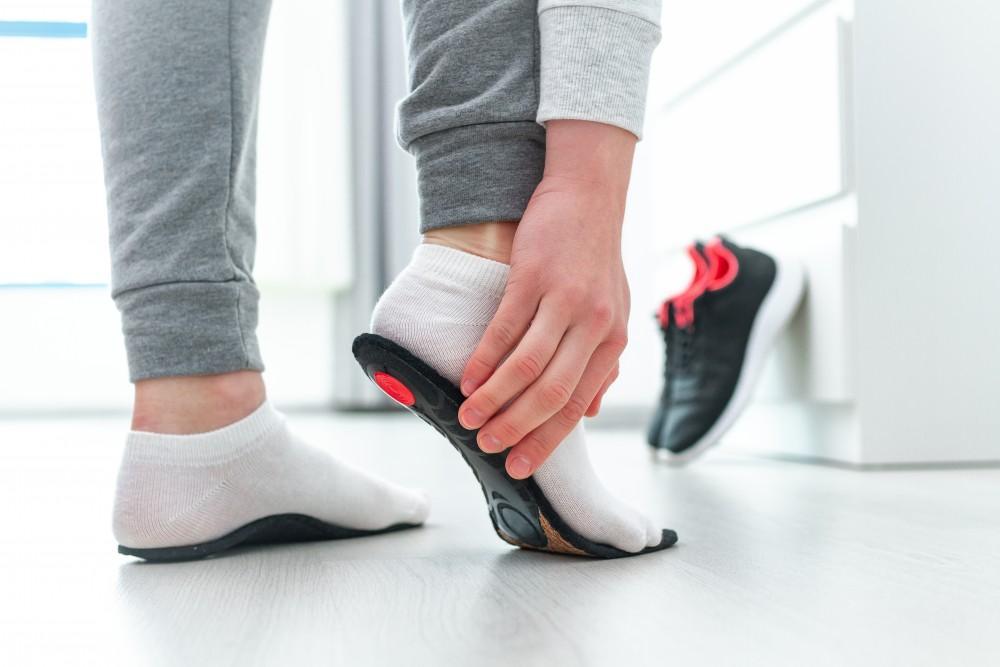
Custom foot orthotics are devices worn inside the shoe that correct or accommodate abnormal foot mechanics, changing how the foot contacts the ground to reduce stress on specific structures, improve alignment, and distribute load more evenly throughout the foot and lower limb.
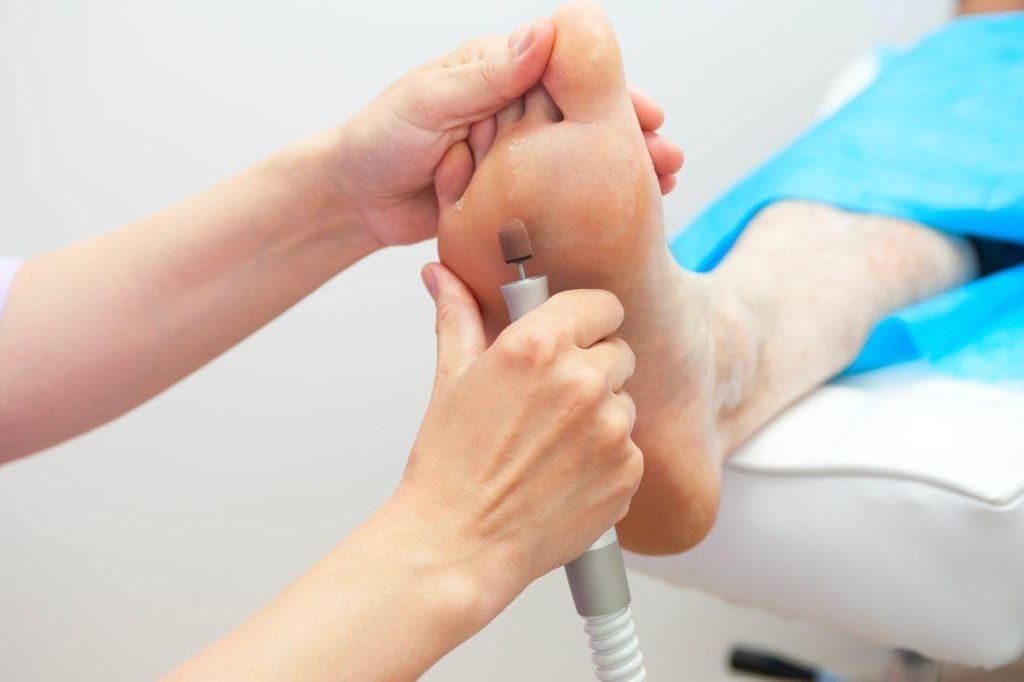
Our chiropody services in Courtice and Pickering include foot assessments, nail care, corn and callus treatment, wound care, gait analysis, and custom orthotic prescription and fitting — all delivered by registered chiropodists.
How Custom Orthotics and Foot Care in Courtice Treats Common Conditions
Plantar Fasciitis
Plantar fasciitis is the most common cause of heel pain in adults. It involves inflammation of the plantar fascia — the thick band of connective tissue running along the bottom of the foot from the heel to the base of the toes. Morning heel pain, pain after prolonged sitting, and pain that worsens with prolonged standing are the hallmark presentations.
Custom Orthotics and Foot Care in Courtice for plantar fasciitis provide heel cushioning, arch support, and offloading of the plantar fascia insertion point — addressing the mechanical causes of the condition rather than simply managing symptoms.
Flat Feet and Overpronation
Flat feet (pes planus) and excessive inward rolling of the foot (overpronation) alter the alignment of the entire lower limb. Over time, this contributes to plantar fasciitis, shin splints, knee pain (particularly medial knee pain), and hip and lower back strain. Custom orthotics correct the foot position to reduce downstream alignment stress.
High Arches and Supination
High-arched feet (pes cavus) are rigid and poor at shock absorption. They tend to supinate (roll outward) during walking, concentrating stress on the outer foot and increasing the risk of ankle sprains, metatarsal stress fractures, and lateral knee pain. Orthotics for high arches cushion and accommodate the rigid arch while improving the contact area.
Heel Spurs
Heel spurs are bony outgrowths on the underside of the heel bone, often associated with plantar fasciitis. They develop in response to chronic mechanical stress. Custom orthotics reduce this stress, and in combination with physiotherapy and stretching, most patients achieve good pain relief without surgery.
Metatarsalgia and Ball-of-Foot Pain
Pain in the ball of the foot — the metatarsal heads — is common in people who spend long periods on their feet or who wear unsupportive footwear. Orthotics with metatarsal pads redistribute pressure away from the affected metatarsal heads, providing significant relief.
Bunions (Hallux Valgus)
Bunions are deformities at the base of the big toe, characterised by outward deviation of the toe and a prominent bony prominence at the first metatarsophalangeal joint. While orthotics cannot correct an established bunion, they can slow progression, reduce pain, and improve foot alignment to take pressure off the joint.
Diabetic Foot Care
Patients with diabetes are at elevated risk of foot complications due to reduced circulation and peripheral neuropathy. Regular professional foot care — including nail trimming, callus debridement, and wound assessment — combined with protective orthotics and appropriate footwear, is essential for preventing serious complications.
The Canadian Physiotherapy Association recognises foot orthotics and chiropody as important components of lower limb rehabilitation, with evidence supporting custom orthotics for plantar fasciitis, patellofemoral pain, and lower limb overuse injuries.
Custom Orthotics vs. Over-the-Counter Insoles
Walk into any pharmacy, and you will find a wall of foot insoles. Understanding the difference between these and custom orthotics helps patients make informed decisions:
- Over-the-counter insoles: Mass-produced, designed to fit the average foot. They provide cushioning and generic arch support but do not address individual biomechanical abnormalities. Useful for mild discomfort and for preventing problems in people with normal foot mechanics.
- Custom orthotics: Fabricated from an individual cast or scan of your foot to precisely match your anatomy and correct your specific biomechanical issues. Prescribed following a full gait and foot assessment and clinically indicated for specific conditions and documented biomechanical abnormalities.
The clinical rule is simple: if you have a specific condition or documented biomechanical issue, custom orthotics are worth the investment. If you simply want added comfort and support in normal footwear, a good-quality OTC insole may be sufficient.
The Orthotic Assessment Process
When you come to Active Recovery Clinic for a custom orthotic assessment, your chiropodist will:
- Conduct a full foot and lower limb biomechanical assessment: Examining your foot structure, flexibility, strength, and alignment in standing and during movement.
- Perform a gait analysis: Observing how you walk and identifying any abnormalities in foot strike, pronation, push-off, and lower limb alignment.
- Take a cast or 3D scan of your feet: Capturing the exact shape of your foot in the corrected position to ensure the orthotic fits precisely.
- Discuss footwear: Orthotics only work if the footwear they are placed in is appropriate. Your chiropodist will advise on footwear characteristics that are compatible with and supportive of your orthotics.
- Prescribe and fabricate: The prescription is sent to an orthotic laboratory where your devices are custom-made from materials matched to your weight, activity level, and clinical needs.
Active Recovery Clinic also offers physiotherapy in Courtice— making it straightforward to address both the foot and the downstream effects of poor foot mechanics on the knee, hip, and lower back as part of an integrated Custom orthotics and foot care care plan.

Foot Care Tips for Long-Term Foot Health
1. Choose Footwear Thoughtfully
Footwear is the single biggest modifiable factor in foot health. Look for shoes with a wide toe box (enough room for toes to spread naturally), adequate cushioning in the heel and forefoot, a firm but flexible sole, and structured arch support. Replace running and athletic shoes every 500 to 800 kilometres.
2. Stretch Your Calves and Plantar Fascia Daily
Tight calves and plantar fascia are major contributors to heel pain and Achilles tendon problems. A daily calf stretch (30 seconds, both straight-knee and bent-knee variations) and plantar fascia stretch (rolling the arch over a firm ball) significantly reduce recurrence of heel pain.
3. Inspect Your Feet Regularly
Particularly important for patients with diabetes or reduced foot sensation — inspect the soles, heels, and between the toes daily for any skin changes, blisters, sores, or nail problems. Early identification prevents minor issues from becoming serious complications.
4. Maintain Appropriate Body Weight
Each kilogram of body weight is multiplied by several kilograms of force on the feet with every step. Maintaining a healthy weight reduces the chronic mechanical load on foot structures, reducing the risk of plantar fasciitis, metatarsalgia, and arthritis.
5. See a Chiropodist Proactively
You do not need to be in pain to benefit from professional foot care. An annual chiropody appointment catches developing issues early, maintains nail and skin health, and provides footwear and gait advice that prevents problems before they develop.
Serving Our Local Community. At Active Recovery Sports Injury & Physiotherapy, we regularly work with patients from Courtice, Pickering, Oshawa, Bowmanville, and surrounding Durham Region communities. Our team understands the physical challenges people in this community face — and we are proud to be a trusted local resource. Book an appointment today for Custom orthotics and foot care in Courtice to get started.
Frequently Asked Questions: Orthotics and Foot Care
Do I need a referral to see a chiropodist?
No. You can self-refer to our chiropody services at Active Recovery Clinic in Courtice and Pickering. No physician referral is required, though some insurance plans may request one for reimbursement — check your coverage before your appointment.
Are Custom orthotics and foot care in Courtice covered by insurance?
Many extended health benefit plans cover custom orthotics, typically requiring a prescription from a regulated health professional. Coverage amounts and requirements vary by plan. Our team can provide the documentation your insurer requires.
How long do custom orthotics last?
Custom orthotics typically last 2 to 5 years with normal use. Athletic orthotics worn for high-impact sports may need to be replaced sooner. Children’s orthotics require replacement as feet grow. Your chiropodist will advise on when reassessment or replacement is indicated.
Can orthotics help with knee or back pain?
Yes. Because foot mechanics directly influence the alignment of the knee, hip, and lower back, correcting abnormal foot mechanics with orthotics often reduces pain in these areas—particularly in conditions such as patellofemoral pain syndrome and certain presentations of low back pain associated with leg length discrepancy or overpronation.
How long does it take to get used to custom orthotics?
Most people need 2 to 4 weeks to adapt to custom orthotics fully. Your chiropodist will provide a break-in schedule—typically starting with a few hours per day and gradually increasing wear time—to allow your feet and lower limbs to adjust gradually.
Book Your Foot Assessment at Active Recovery Clinic — Courtice
Whether you are managing heel pain, dealing with a recurring lower limb injury, or simply want to keep your feet healthy and comfortable, our chiropody team can help. For the best custom orthotics and foot care in Courtice, contact Active Recovery Clinic today.
Active Recovery Sports Injury & Physiotherapy Clinic serves patients from Courtice, Pickering, Oshawa, Bowmanville, and across Durham Region.
📍 Location: 1450 Durham Regional Hwy 2, Courtice, ON L1E 3C3
📅 Book your appointment today at activerecoveryclinic.ca
Disclaimer: This blog is for informational purposes only and does not constitute medical advice. Please consult a registered healthcare professional for personalised care.
